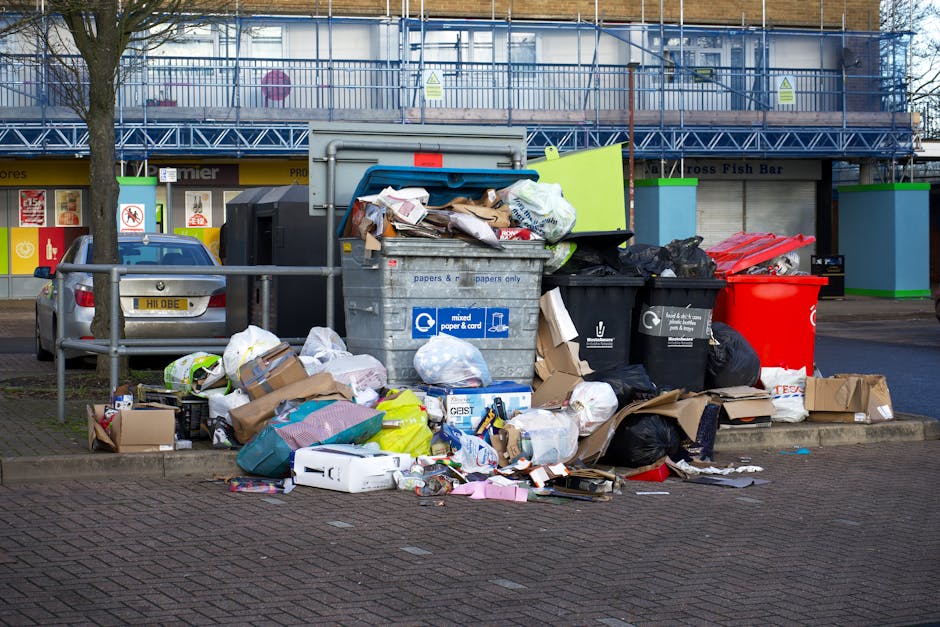
Bulky Waste Collection Palmers Green Homes and Flats
If you live in Palmers Green, bulky items have a way of becoming the thing you keep meaning to deal with. A sofa in the hall, a broken wardrobe in the spare room, an old mattress leaning against the wall, maybe a fridge that no longer cools properly. In a house, that is awkward enough. In a flat, it can feel like a proper faff. This guide to bulky waste collection Palmers Green homes and flats walks you through what it is, how it works, what to expect, and how to avoid the usual headaches.
Whether you are clearing one large item or several rooms at once, the main aim is simple: get the waste removed safely, quickly, and with as little disruption as possible. Let's face it, nobody wants bulky rubbish lingering in a narrow stairwell for days. Below, you will find practical advice for homes, maisonettes, purpose-built flats, and shared buildings, plus useful pointers on pricing, access, and what to do before the team arrives.
Contents
- Why Bulky waste collection Palmers Green homes and flats Matters
- How Bulky waste collection Palmers Green homes and flats Works
- Key Benefits and Practical Advantages
- Who This Is For and When It Makes Sense
- Step-by-Step Guidance
- Expert Tips for Better Results
- Common Mistakes to Avoid
- Tools, Resources and Recommendations
- Law, Compliance, Standards, or Best Practice
- Options, Methods, or Comparison Table
- Case Study or Real-World Example
- Practical Checklist
- Conclusion
- Frequently Asked Questions
Why Bulky waste collection Palmers Green homes and flats Matters
Bulky waste is different from the everyday bin bag clutter. It includes large, awkward, or heavy items that are difficult to move, store, or dispose of through normal household collections. In Palmers Green, that matters for a few very practical reasons: space is limited, access can be tight, and many properties are a mix of terraced homes, converted flats, and larger apartment blocks where common areas need to stay clear.
In a house, bulky waste tends to gather in garages, sheds, lofts, and spare rooms. In flats, it often ends up blocking a balcony, a corridor corner, or the foot of the stairs. That is not just untidy. It can become a safety issue, a fire-risk concern in communal areas, and an inconvenience for neighbours and managing agents. Nobody wants a sofa left outside the front door while everyone steps around it for a week. Slightly dramatic? Maybe. Still true.
There is also the question of effort. A single wardrobe may sound manageable until you realise it will not fit through the landing turn, or the lift is too small, or the mattress is heavier than expected. This is where a structured bulky waste collection service becomes useful. It removes the guesswork and helps you deal with the item properly, rather than turning disposal into a weekend project that takes over the whole house.
For many residents, the real value is peace of mind. The item goes, the space comes back, and you can get on with life. Simple, really.
How Bulky waste collection Palmers Green homes and flats Works
The process is usually straightforward, but it helps to know what happens behind the scenes. Most bulky waste removals follow a similar pattern: you describe what needs to go, explain the property type, and confirm any access issues. From there, the collection team can judge the time needed, the equipment required, and whether extra lifting or dismantling might be sensible.
For homes, access is often easier because there may be a driveway, front path, side gate, or direct route to the door. For flats, the team may need to consider stairs, lifts, parking restrictions, loading bays, or building rules. A small detail like a locked entrance door or a narrow stairwell can add time. Better to mention it early. Saves everyone the awkward shuffle later.
Common bulky waste items include sofas, armchairs, beds, wardrobes, tables, white goods, garden furniture, chest freezers, old shelving, and mixed household clutter. If the item is especially heavy or awkward, it may need two people, protective handling, or partial dismantling. In some cases, items such as appliances or fridges may be better handled through a specialist fridge and appliance removal service.
When you have several categories of waste at once, it can be worth combining the job. A full room clear-out may be better suited to home clearance or, in larger properties, house clearance. If the issue is mainly old seating, mattress and sofa disposal may be the cleaner route. The right approach depends on what you have, not just how much of it there is.
After collection, items are usually sorted for reuse, recycling, or disposal depending on condition and material type. That sorting stage matters more than people often realise, especially when sustainability is part of the brief.
Key Benefits and Practical Advantages
Bulky waste collection is not just about making things disappear. Done properly, it can solve several problems in one go.
- It saves physical effort. No wrestling a bed frame down a staircase and regretting it halfway through.
- It reduces property clutter fast. That spare room starts breathing again.
- It helps with access and safety. Clear hallways and communal spaces matter, especially in flats.
- It supports responsible disposal. Reusable or recyclable items can be separated from general waste.
- It works around busy schedules. Useful when you are moving, refurbishing, or hosting family soon.
- It keeps neighbours and building managers happier. Which, in a block of flats, is no small thing.
There is another advantage people sometimes overlook: flexibility. A bulky waste collection can be arranged for one item or a mixed load. That is useful if you are in the middle of a declutter and not quite sure what will stay and what will go. Truth be told, that middle stage is where most projects get messy.
If your furniture is in decent shape, it may be better to look at furniture clearance or furniture disposal, depending on whether the main concern is removal, recycling, or simple lifting and shifting. Those distinctions sound small, but they often help the job run more smoothly.
Who This Is For and When It Makes Sense
This type of service is relevant to a wide range of people in Palmers Green. You do not need a huge property or a full renovation to need bulky waste collection. In practice, it often helps in everyday situations that are surprisingly common.
- Homeowners replacing old furniture
- Flat owners clearing a room before guests, resale, or decorating
- Tenants moving out and needing a final clear-up
- Landlords preparing a property for new occupants
- Managing agents dealing with abandoned items in communal spaces
- Families sorting through long-term stored items in a loft, garage, or spare room
It also makes sense when the item is too big for a car, too awkward for the stairs, or too much for a normal bin collection. If you have ever stood in a hallway measuring a sofa with your eyes and thinking, "that is not going round the corner," then yes, you are in the right place.
Some people use bulky waste collection as part of a broader reset. They clear one room, then realise the garage needs attention too, or the loft has become a museum of forgotten boxes. In those cases, related services such as garage clearance, loft clearance, or flat clearance may make more sense than booking item-by-item removal.
Step-by-Step Guidance
Here is a sensible way to handle bulky waste collection without making it more complicated than it needs to be.
- List everything you want removed. Be specific. "Old sofa, dismantled wardrobe, broken desk, two mattresses" is much better than "a few bits."
- Check access. Think about stairs, lift size, tight turns, parking, and any building entry controls.
- Separate anything that may need special handling. This includes fridges, appliances, or anything potentially hazardous.
- Ask about dismantling if needed. Sometimes taking a wardrobe apart first saves time on the day. Sometimes it does not. Depends on the item.
- Choose the most suitable service type. Bulky waste, furniture removal, home clearance, or a larger mixed-waste job.
- Prepare the route. Move smaller objects, unlock gates, and clear a path from the item to the exit.
- Confirm the collection details. Timing, access instructions, and payment expectations should all be clear before anyone turns up.
- Keep an eye on what leaves. That sounds obvious, but it helps make sure the right items are removed and anything you want to keep is safely out of the way.
A good collection feels organised from the start. If the quote or conversation is vague, the day usually becomes vague too, which nobody wants. Small preparation now can save a lot of moving around later.
Expert Tips for Better Results
In our experience, the best bulky waste jobs are the ones where the customer thinks like a collector, not just a clearer. That means anticipating awkwardness before it becomes a problem.
- Measure the item and the route. A sofa may fit the room but fail at the stair bend.
- Photograph the waste. Clear pictures make it easier to estimate time and effort.
- Tell the team about parking limits. In Palmers Green, parking can be the hidden complication nobody mentions until the van arrives.
- Group similar items together. It speeds up lifting and helps with sorting.
- Ask whether reusable items can be separated. Sometimes a good-condition item can be handled differently from broken rubbish.
- Be honest about weight. "Fairly heavy" and "requires two people" are not the same thing.
One practical trick: if you are clearing a flat, keep the route from the item to the door as open as possible. Even a single shoe rack or pile of bags can make a narrow landing feel twice as small. It is a tiny thing, but it changes the day.
Also, do not leave it too late if you are working to a deadline. Moves, tenancy handovers, end-of-build cleans, and sale preparations tend to compress time fast. Very fast.
Common Mistakes to Avoid
Most problems with bulky waste collection are avoidable. That is the good news. The less good news is that people keep making the same few mistakes.
- Under-describing the load. "Just one wardrobe" can turn out to be a wardrobe, drawers, and a pile of panels.
- Ignoring access. A service can only go smoothly if the path in and out is realistic.
- Mixing ordinary bulky waste with items needing special handling. Fridges, some electricals, and anything hazardous should be flagged early.
- Waiting until the last minute. The stress tends to multiply after that.
- Assuming every service is identical. Some jobs are better handled as waste removal, while others fit furniture clearance or a broader property clear-out.
- Forgetting building rules. Flats sometimes have collection windows, lift booking rules, or communal area restrictions.
A classic mistake is the "we'll just carry it down ourselves" plan. Sometimes that works. Sometimes it becomes a backache, a chipped wall, and an argument over who took the wrong turn on the landing. Honestly, not worth it.
Tools, Resources and Recommendations
You do not need much to prepare for bulky waste collection, but the right basics make the process noticeably easier.
| Tool or Resource | Why It Helps | Best For |
|---|---|---|
| Measuring tape | Checks whether large items will fit through doors, stairs, and lifts | Flats and tight staircases |
| Phone camera | Photos help explain the load clearly before collection | Quotes and planning |
| Heavy-duty gloves | Improves grip and reduces the chance of scrapes | Minor prep work |
| Access notes | Parking, keys, intercom codes, and lift booking details save time | Apartment blocks |
| Item list | Keeps the collection accurate and avoids missed pieces | Any size job |
For people comparing service types, a few website pages are especially useful. If you want to understand how an existing room or property can be cleared as a whole, start with home clearance or house clearance. If the job is mainly a single category of items, such as seating, then mattress and sofa disposal may be the more relevant route. And if you are simply weighing up costs, pricing and quotes is the sensible place to start.
For anyone trying to reduce environmental impact, it is worth reading the approach behind recycling and sustainability. That page helps explain why sorting and onward processing matter, even after the van has driven away.
Law, Compliance, Standards, or Best Practice
When bulky waste is collected from homes and flats, the practical side is only part of the picture. There is also the question of responsible handling, safe lifting, and appropriate disposal routes. Exact legal duties can vary depending on the item, the property, and the circumstances, so it is best to treat compliance carefully and avoid assumptions.
As a general rule, waste should be handled by a properly organised service that can manage transport, disposal, and recycling responsibly. If items contain electrical components, refrigerants, sharp edges, chemicals, or other risks, they should not be treated like ordinary household clutter. That is where specialist handling becomes important.
For flats and shared buildings, best practice also includes keeping communal areas clear, avoiding blocked exits, and respecting the building's access arrangements. If you are a tenant, owner, or landlord, it is usually wise to check any building-specific instructions before collection day. Simple courtesy goes a long way.
Insurance and safe working practices matter too. Heavy lifting is not just about strength; it is about movement, control, and reducing the chance of damage to walls, flooring, or doors. You can read more about the working standards and precautions on insurance and safety and the company's health and safety policy.
If your waste includes items that should not go into a normal bulky collection, such as potentially hazardous materials, the safer option is to separate them and ask for specific guidance. In some cases, hazardous waste disposal is the more appropriate route. Better cautious than careless. That much is clear.
Options, Methods, or Comparison Table
There is more than one way to deal with bulky waste in Palmers Green. The right choice depends on the quantity, type of item, access, and how quickly you need the space back.
| Method | Best For | Pros | Watch Outs |
|---|---|---|---|
| Bulky waste collection | Single large items or a small mixed load | Fast, convenient, minimal effort | Access details must be accurate |
| Furniture clearance | Sofas, tables, wardrobes, and similar items | Good for multiple furniture pieces | May not suit all waste types |
| Home or house clearance | Whole-room or whole-property jobs | Efficient for larger declutters | Can be overkill for just one item |
| Flat clearance | Flats with limited access or multiple items | Designed around apartment logistics | Needs clear building access details |
| Skip-related disposal | Projects with ongoing waste over several days | Useful for staged clear-outs | Less convenient for heavy lifting and shared access |
If you are unsure which option fits, start with the simplest question: are you clearing a few bulky items, or are you clearing a space? That one question usually points you in the right direction.
For people comparing what can go in a skip versus what should be collected separately, what can go in a skip is a useful reference point. It is not identical to bulky collection, but it helps clarify where different waste types fit.
Case Study or Real-World Example
A typical Palmers Green scenario goes like this. A couple are moving out of a first-floor flat. They have a broken three-seater sofa, a bed frame, a mattress, an old desk, and a fridge that has stopped working. The hallway is narrow, the lift is tiny, and the landlord wants the place cleared before the next tenant viewing. Classic timing, of course.
Instead of trying to move everything in stages over several evenings, they list the items, explain the access constraints, and book a collection that covers both bulky waste and the appliance. They clear the route to the front door, make sure the parking instructions are correct, and leave the team to handle the heavy lifting. The result is simple: the flat is empty, the common area is left tidy, and the handover happens on time.
What made that job work well was not luck. It was clear information, realistic expectations, and choosing the right type of collection for the property. That combination tends to save the most time. It also keeps stress down, which is no small thing when you are already juggling moving boxes and keys that have vanished exactly when you need them.
Practical Checklist
Use this checklist before your bulky waste collection in Palmers Green:
- Write down every item that needs to go
- Check whether any item needs special handling
- Measure large items and key access points
- Confirm stairs, lifts, parking, and entry instructions
- Clear a route from the item to the exit
- Move breakables and personal items out of the way
- Tell the service about any tight turns or low ceilings
- Group similar items together where possible
- Ask about recycling or reuse where relevant
- Keep any items you are not removing in a separate area
Quick reminder: if your job involves more than one category of waste, it may be worth comparing waste removal, furniture disposal, and a broader property service before you commit.
Get a free quote today and see how much you can save.
Conclusion
Bulky waste collection Palmers Green homes and flats is really about making life easier without cutting corners. You get the space back, the hazard goes away, and the whole property feels lighter. In houses, that often means reclaiming a garage, loft, or spare room. In flats, it means keeping the building safe, tidy, and workable for everyone involved.
The best results come from a little planning: know what you want removed, understand the access, and choose the service that matches the job rather than forcing the job to fit the service. That approach is calmer, cleaner, and usually more efficient too. And if you are still deciding what type of clearance suits your situation, you can always learn more about the company on about us or reach out through contact us when you are ready.
It does not have to be a headache. With the right plan, it can be one of those jobs that feels a lot better once it is done.
Frequently Asked Questions
What counts as bulky waste in a home or flat?
Bulky waste usually means large household items that are awkward to move or cannot go out with ordinary bin collection. Sofas, beds, wardrobes, tables, and some appliances are common examples.
Can bulky waste be collected from a flat with no lift?
Yes, in many cases it can. The key is to explain the stairs, tight turns, and access details in advance so the collection is planned properly.
Do I need to dismantle furniture before collection?
Not always. Some items are easier to remove whole, while others may benefit from partial dismantling. If you are unsure, ask before collection day rather than guessing.
What should I do with a fridge or appliance?
Fridges and appliances often need separate handling because they may contain components that require specialist removal. A dedicated appliance service is usually the safest option.
Is bulky waste collection suitable for one item only?
Absolutely. A single sofa, bed, or wardrobe is a very normal reason to book a collection. You do not need a full house clear-out to make it worthwhile.
How can I make collection day easier in a flat?
Clear the route, unlock access points, check parking, and tell the collection team about stairs or lift restrictions. A little prep makes a big difference in flats.
What if my items are in good condition?
If furniture is reusable, it may be better handled as furniture clearance rather than general waste. That can help with sorting and responsible onward processing.
Can bulky waste collection include mixed items?
Yes, often it can. Mixed loads are common, especially when people are clearing a room or moving out. Just be clear about what is included so nothing is missed.
How do I know whether I need flat clearance or house clearance?
If you are clearing a flat with access considerations and multiple items, flat clearance may fit better. For larger homes or whole-property jobs, house clearance is often the more suitable option.
What is the biggest mistake people make with bulky waste?
The most common mistake is under-explaining the job. Access, item size, weight, and building rules all matter. Vague details usually cause delays, and nobody wants that on a busy day.
Are there rules about leaving bulky waste in communal areas?
Yes, communal areas should generally be kept clear and safe. In practice, it is best not to leave bulky items in hallways, entrances, or shared stairs any longer than necessary.
Can bulky waste collection be combined with other clearances?
Yes. Many people combine bulky waste with home clearance, garage clearance, loft clearance, or broader waste removal when several areas need attention at once.
How should I choose between bulky waste collection and a skip?
If you need heavy items removed from inside a home or flat, collection is often easier. If you have ongoing waste from a project and space for a skip, that may be more practical. The best choice depends on access, timing, and the type of waste.
What should I do if I am unsure whether an item is hazardous?
Do not assume. Keep it separate and ask for guidance before collection. Hazardous items should be handled cautiously and never mixed in with ordinary bulky waste.